Plaster does not give up wallpaper the way drywall does. Where drywall paper comes off the gypsum face in one wet, forgiving layer, plaster is a hard lime or gypsum coat keyed into lath underneath, and heavy water or an aggressive scraper can lift that coat right along with the paper. If you want to remove wallpaper from plaster walls without losing the wall itself, the order of operations matters more than the tool you use.
The short version: test a hidden patch first, soak or steam in small sections, score only if water will not soak in on its own, and scrape at a low angle instead of digging straight into the surface. Painted-over paper on a home built before 1978 adds one more step before any of that: a lead check.
Why plaster isn’t drywall when wallpaper comes off
Drywall is a gypsum core sandwiched between two sheets of paper, and that facing paper is what wallpaper paste actually grips. Soak the paste and the facing paper lets go in one piece, wallpaper and all. Plaster works differently. A traditional wall is one to three coats of lime or gypsum plaster, troweled over wood or metal lath and locked to it by small fingers of hardened plaster called keys. A guide to repairing historic flat plaster puts the finish coat at around 1/8 inch thick on older lime work, sitting on base coats roughly three times that thickness, with gypsum plaster setting in minutes while lime plaster can take over a year to cure fully. That thin finish coat is the layer you risk tearing loose with the paper if you work a plaster wall the way you would work drywall.
If you aren’t sure which one you have, tap the wall before you wet anything. The same habit used to judge texture depth before hanging wallpaper works in reverse here: a hollow, even knock with a slightly springy feel usually means drywall over studs, while a dense, dull knock with a faint waviness in the surface usually means plaster over lath.
| What you’re comparing | Plaster | Drywall |
|---|---|---|
| Surface | Hard lime or gypsum coat, about 1/8 to 3/8 inch thick, keyed into lath | Paper-faced gypsum board, the paper is the top layer |
| Reaction to water | Can soften the finish coat itself, not just the paste | Softens the facing paper, which is what you want |
| Reaction to scraping | A dug-in blade can chip or lift the finish coat | A dug-in blade mainly gouges the paper face |
| What’s underneath | Another coat of plaster, or bare lath | More gypsum core |
How to remove wallpaper from plaster walls, step by step
Work one small section at a time and keep checking how the plaster is holding up as you go, instead of soaking the whole wall and coming back to it later.
Test a hidden patch first
Behind a switch plate or inside a closet, wet a palm-sized patch and give it a few minutes. If the paper softens and the plaster underneath stays solid, the rest of the wall will likely behave the same way. If the finish coat goes soft or chalky, favor steam over soaking for the rest of the room and move slower.
-
Confirm whether the paper is bare or painted over
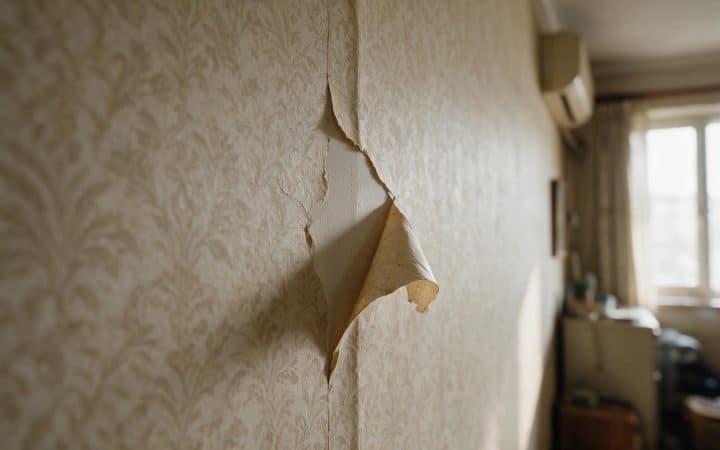
Run a fingernail under a seam the way you would on any other wallpaper removal job. Bare paper lifts dry with a little patience. A painted-over layer resists and usually needs water or steam to get started, and it hides what’s underneath until you test it.
-
Soak or steam a small section
Work a two to three foot strip at a time with a garden sprayer or a steamer held a few inches off the wall. Keep the steamer moving instead of parking it in one spot, since plaster that stays wet too long is what loosens the finish coat.
-
Score only if the water won’t soak in
A scoring tool perforates the paper so moisture can reach the paste underneath. On plaster, press just hard enough to break the paper. Pressing through the paper and into the plaster is how a scoring tool starts a crack that has nothing to do with the wallpaper.
-
Scrape at a low angle, not straight in
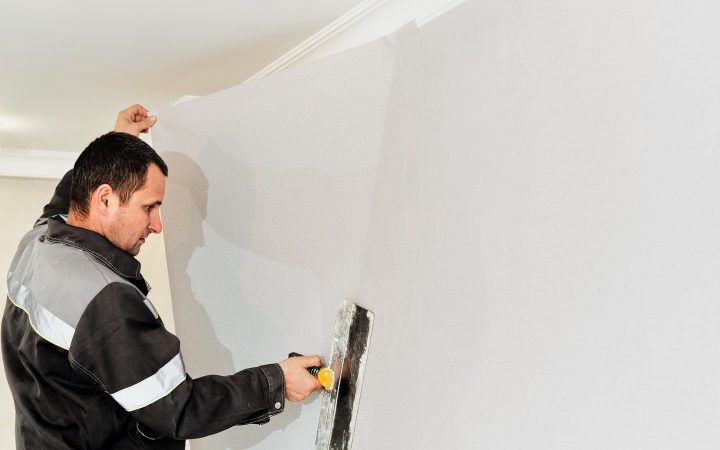
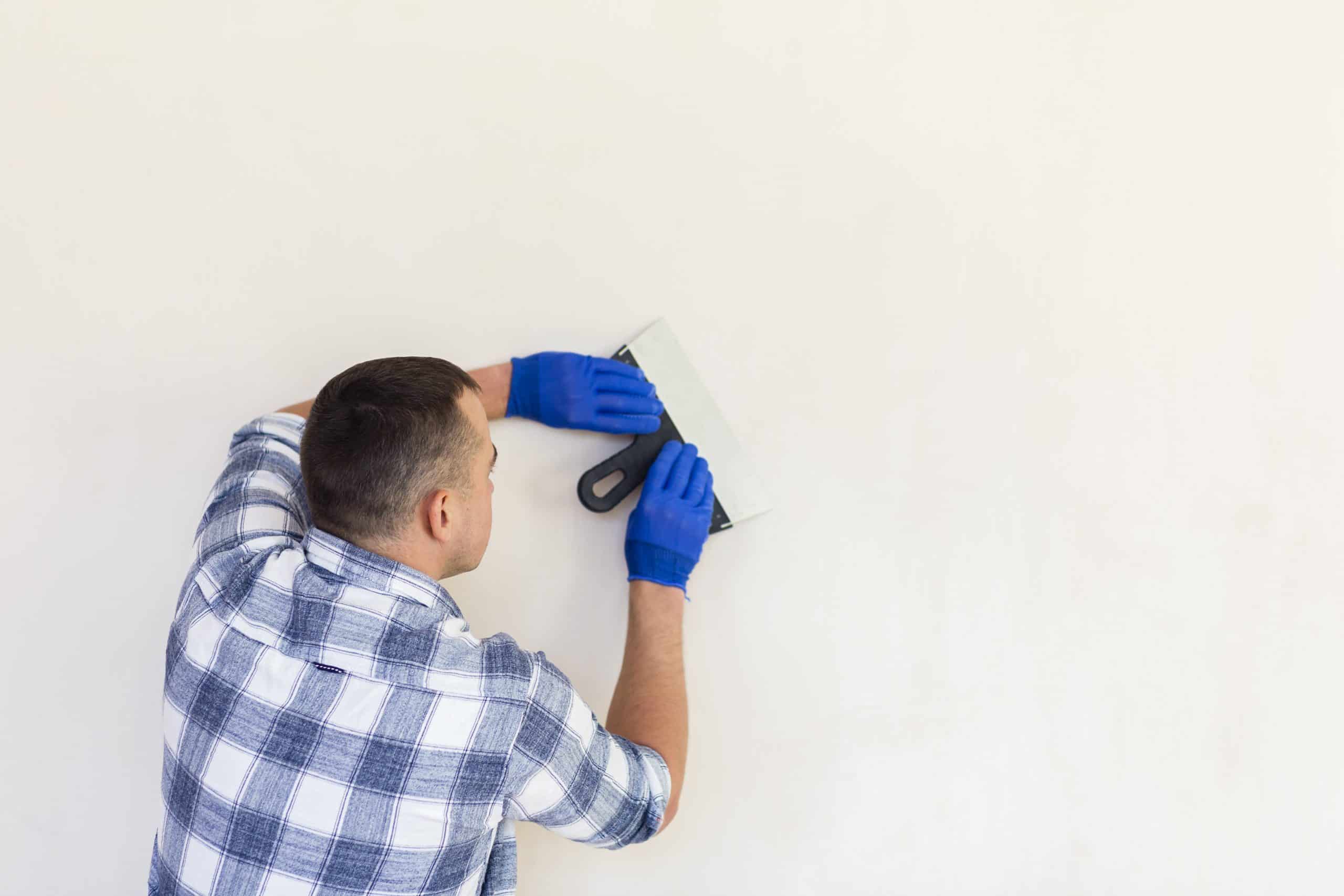
Hold a wide putty knife nearly flat against the wall and push rather than dig. A blade angled into the surface catches on the plaster’s texture and can chip the finish coat loose along with the paper.
-
Expect seams and corners to need a second pass
Paper tears clean in the open field of a wall and holds on stubbornly at seams, inside corners, and anywhere it was double-pasted. Leftover paste residue after the paper is off responds to the same gentle soak, just without the scraper.
Steam or soak: picking the gentler method for plaster
| Method | Best for | Risk on plaster |
|---|---|---|
| Soak | Bare or lightly painted paper, one layer | Low, as long as you don’t flood the wall and let water pool at the baseboard |
| Steam | Multiple layers or heavily painted paper | Higher if the plate sits still in one spot; the same heat that loosens old glue can soften a tired finish coat |
Soaking is the safer default on plaster because it is easier to control one small area at a time. Steam strips layered or heavily painted paper faster, but the same heat and moisture that loosen old adhesive will also loosen a tired finish coat, so keep the plate moving and never let it sit still over one spot.
How to remove wallpaper from plaster walls without a steamer
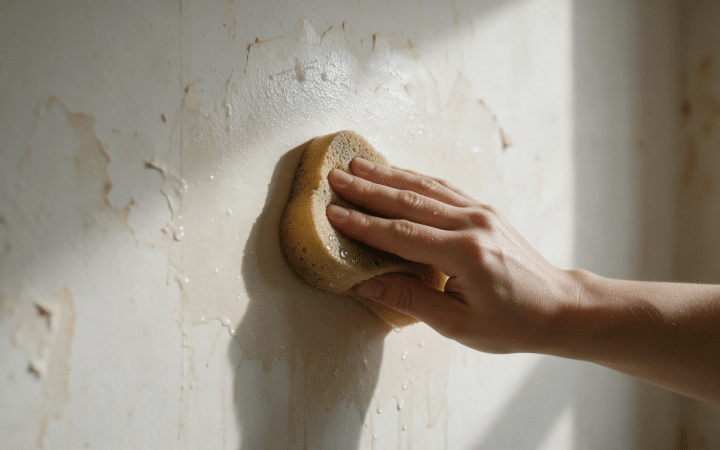
A steamer is not required. A spray bottle or sponge, hot water with a splash of dish soap or fabric softener to help it penetrate, and patience do the same job on a single layer of paper. Wet a section, wait, test a corner with a putty knife, and re-wet it if it hasn’t softened yet instead of forcing the blade. This is slower than steam, which is exactly why it’s gentler on a wall that is already showing its age.
If the finish coat comes off with the paper
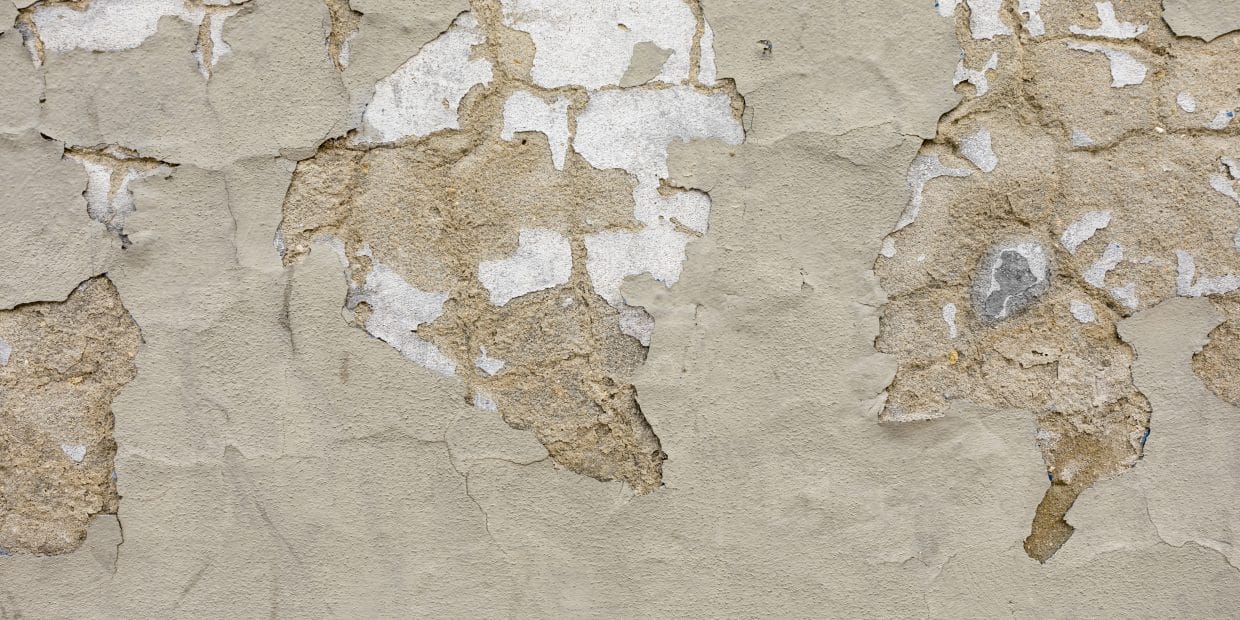
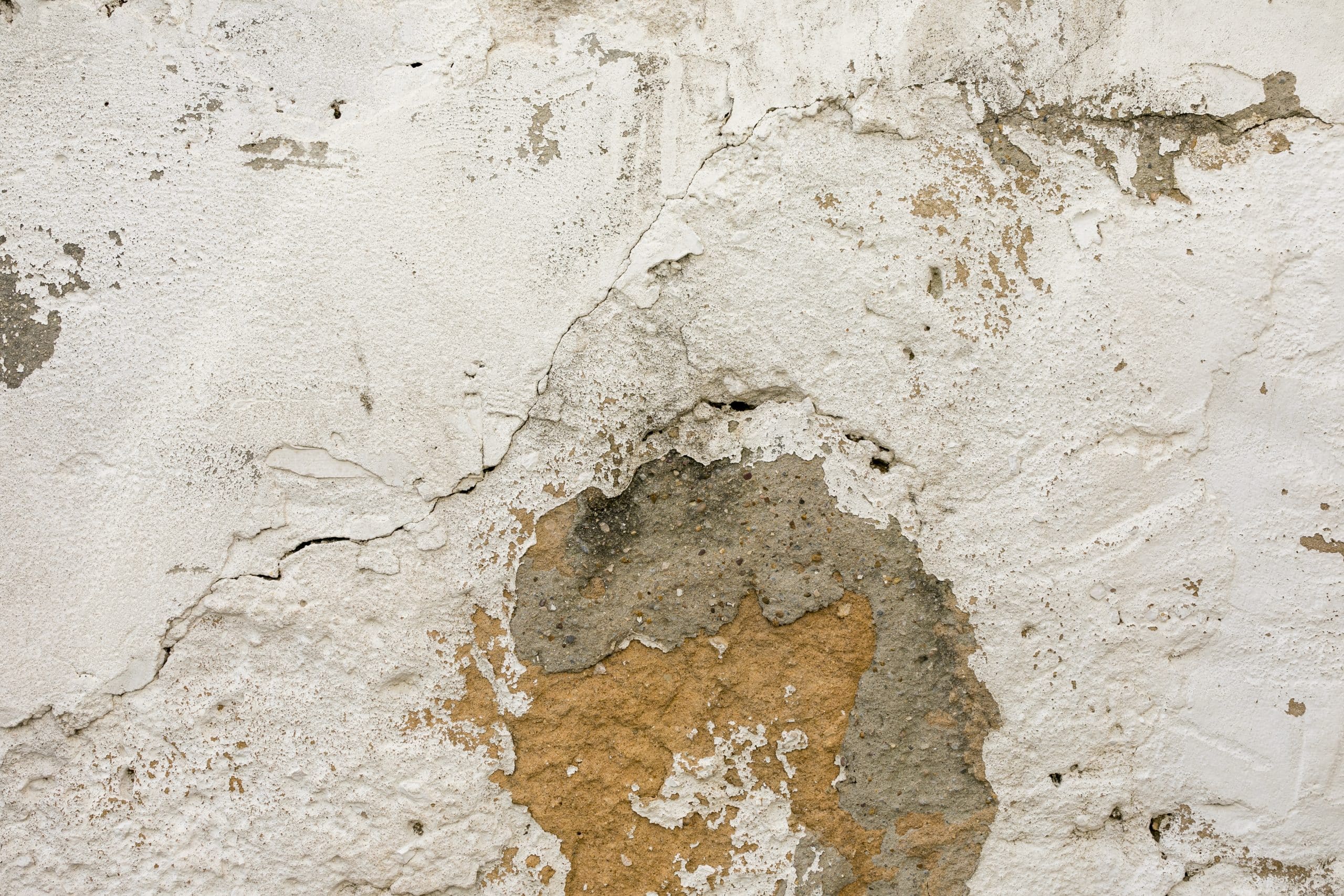
Sometimes a section still lifts no matter how carefully you work it, especially over old repairs, over paint that was already failing, or near a window where moisture has cycled through the wall for years. A few square inches of bare lath or a shallow gouge is a patch, not a disaster. Skim coating to the right finish level covers a scraped patch the same way it covers a repaired hole, feathered out past the damaged edge so the patch doesn’t read as a hard line once it’s painted.
A wider failure, where the finish coat is loose over a larger area or sounds hollow and drummy when you tap it, is a different problem: the keys holding the plaster to the lath have broken, not just the surface skin. That calls for a plasterer, not a bigger tub of joint compound, since pressing a patch over plaster that is no longer attached to anything just adds weight to a wall that is already failing.
The lead paint check before you start scraping
Plaster walls skew older than drywall, and a lot of them were last repainted before anyone worried about lead. The federal government banned lead-based paint for homes in 1978, and the EPA estimates that about three-quarters of homes built before that year still contain some lead-based paint somewhere in the structure, even if it has been painted over since. Wallpaper hides whatever is under it, paint included, so a home from that era gets tested or treated as lead-safe before any scraping starts.
Scraping on a pre-1978 home
If the home was built or last painted before 1978, have the paint tested before you scrape, sand, or dry-scrape anything under the wallpaper. The EPA’s rule generally does not require homeowners doing their own work to get certified, but it does apply to anyone paid to disturb the paint, and the same lead-safe habits (wet work, no sanding, contained debris) protect you either way.
Old wallpaper hides more than paint. Peeling paper near a bathroom, a kitchen, or an exterior wall sometimes turns up mold growing on the back of the sheet or on the wall itself, usually with a musty smell or a dark stain that wasn’t visible until the paper came off.
Common questions
Is it safe to steam wallpaper off a plaster wall?
Generally yes, as long as you keep the steam plate moving and don’t let it sit in one spot. Parking a steamer over old or already-failing plaster is what turns a wallpaper job into a plaster repair.
Should you score plaster before soaking off wallpaper?
Only if plain water isn’t soaking in after a few tries. A light touch that breaks just the paper is enough; pressing the scoring tool into the plaster itself can start a crack that outlasts the wallpaper project.
What if the wallpaper is glued straight to bare plaster with no primer?
That’s usually a slower job, since some older adhesives bond more tightly to an unsealed plaster surface. Work smaller sections, keep them wet longer before testing, and expect to score more of the wall than you would on a primed one.
Can you remove multiple layers of wallpaper from plaster?
Yes, but steam generally reaches multiple layers faster than soaking does. Take off one layer at a time instead of trying to peel through all of them at once, and retest for softness between layers, since the lower ones weren’t exposed to the same moisture as the top one.
What does it mean if the plaster sounds hollow when you tap it?
A hollow, drummy sound usually means the plaster has separated from the lath behind it, often called a lost key. That section needs a plasterer’s repair, not just a wallpaper fix, since patching the surface doesn’t reattach plaster that is no longer keyed to anything.
Do you need to prime plaster before repainting after wallpaper removal?
Yes. Bare plaster and any patched sections absorb paint unevenly without a primer, which shows up as dull, flat patches once the topcoat goes on.
Is it cheaper to skim coat over damaged plaster than to strip it carefully?
Sometimes, if the damage is widespread enough that careful stripping would take longer than a skim coat would cost in material and time. A few scattered patches are still cheaper to spot-repair than to resurface the whole wall.
The short version: what decides how you strip plaster wallpaper
Test before you commit, favor a slow soak over aggressive steam when you’re not sure how the plaster will hold up, scrape at a low angle, and treat a pre-1978 home as a lead check first and a wallpaper job second. A small patch or a scraped corner is a skim coat away from disappearing; a wall that sounds hollow everywhere you tap it needs a plasterer before it needs a paintbrush. For the surrounding work, from texture checks to prepping a patched wall for paint, see the wallpaper and surface prep guides.