Moisture and Mold
How to detect mold inside walls: what each test actually proves
A musty smell or a stained patch does not tell you what is actually growing behind the wall. Here is which tests prove it, and which…
All repair and finishing guides on this site, from the last one published back to the first. Use the silos in the menu to narrow it down.
A musty smell or a stained patch does not tell you what is actually growing behind the wall. Here is which tests prove it, and which…
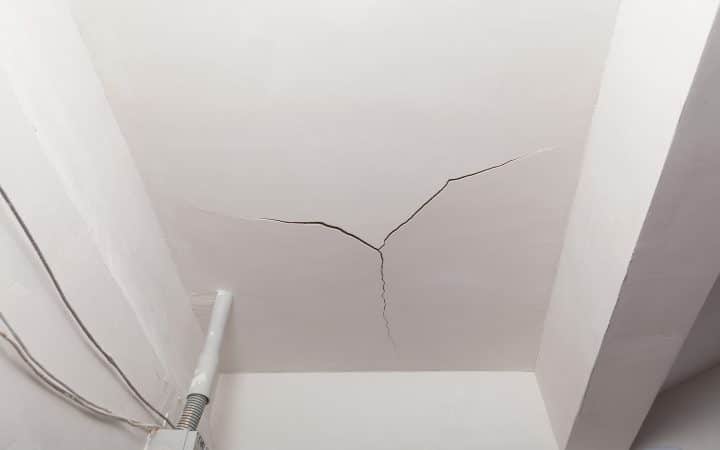
A crack where the ceiling meets the wall that opens every winter and closes by summer usually isn’t structural. It’s truss movement instead. Here’s how to…
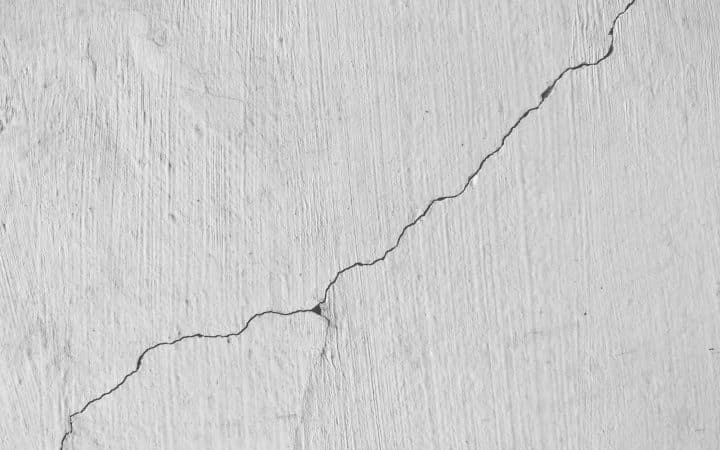
A plaster crack that keeps reopening usually means the plaster let go of the lath behind it. Here’s the washer method that reattaches it, and the…
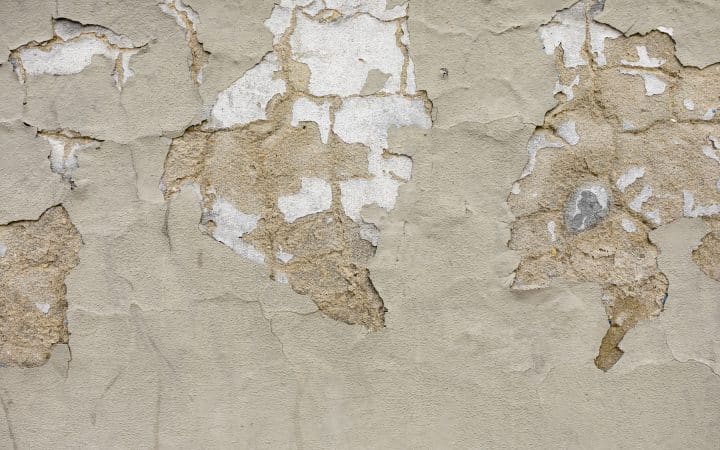
Plaster reacts to water and scraping very differently than drywall, and most wallpaper guides are written for drywall. Here is how to strip paper from a…
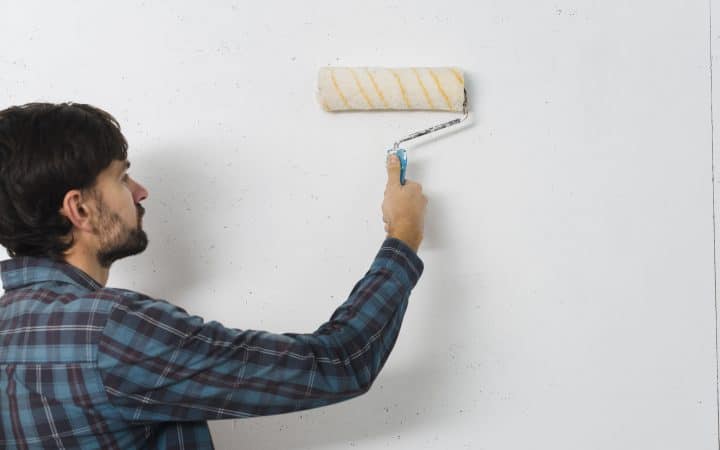
Dried roller marks don’t always mean repainting from corner to corner. Here’s how to tell a fixable patch from one that needs the whole wall, and…
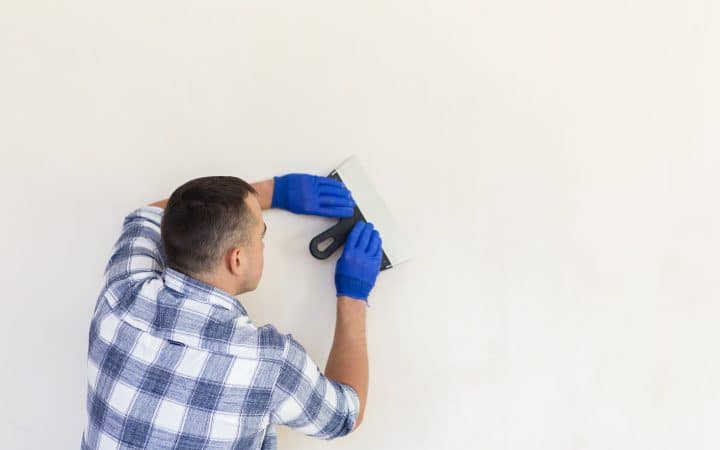
Knockdown texture looks easy until the clumps set up wrong. Here’s the compound consistency, the wait before you flatten it, and the method that actually matches…
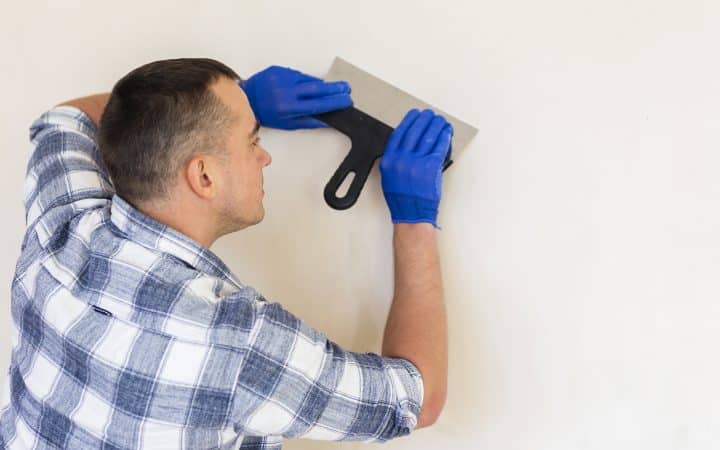
A bubble under drywall tape means air got trapped before the mud dried. Here’s how to tell a simple air pocket from a wrinkle, and the…
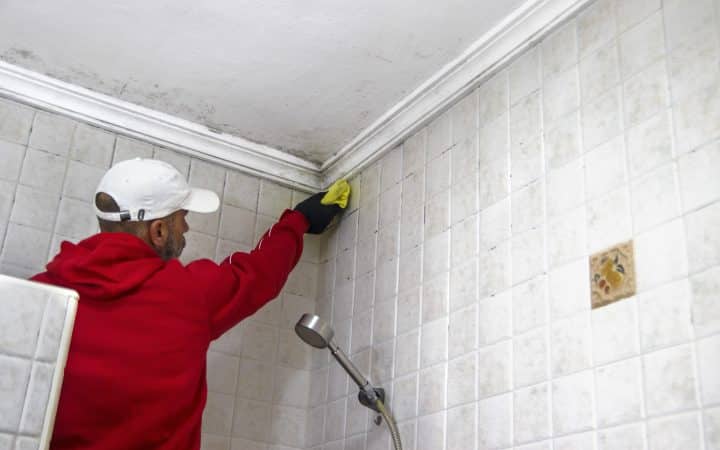
A foggy mirror isn’t the only sign of too much steam. Here’s how to tell ordinary condensation from a hidden leak on a bathroom ceiling, and…
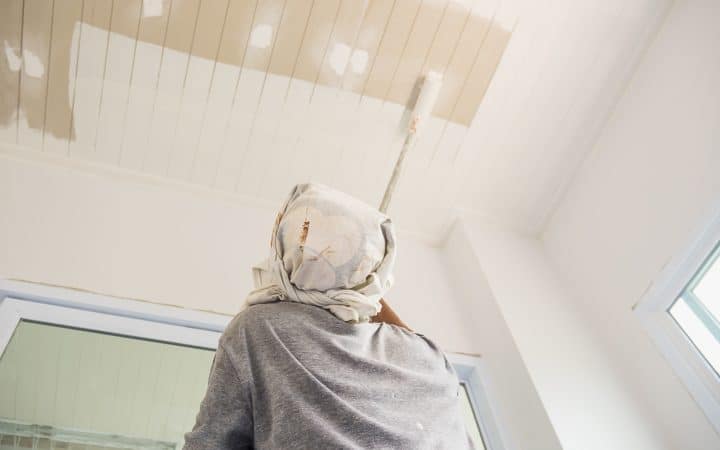
Ordinary ceiling paint can’t stop a water stain from bleeding back through. Here’s the primer type that actually blocks it, how many coats it takes, and…
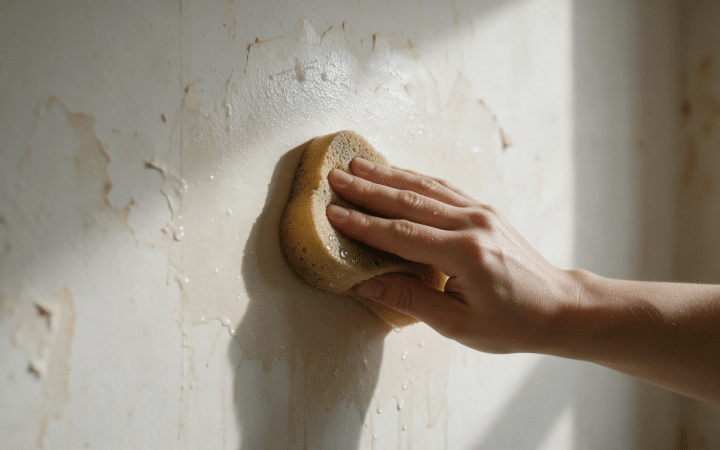
Stripping the paper is only half the job. Here’s how to tell whether that leftover haze is still wallpaper paste, how to lift it safely, and…