Surface Prep
How to apply knockdown texture: the timing window most guides skip
Knockdown texture looks easy until the clumps set up wrong. Here’s the compound consistency, the wait before you flatten it, and the method that actually matches…
Everything that happens before the first coat: cleaning, sanding, skim coating, choosing the right primer, and the GA-214 Level 0 to Level 5 finish scale that decides whether your repair will still show under light.
Guides
8
Knockdown texture looks easy until the clumps set up wrong. Here’s the compound consistency, the wait before you flatten it, and the method that actually matches…
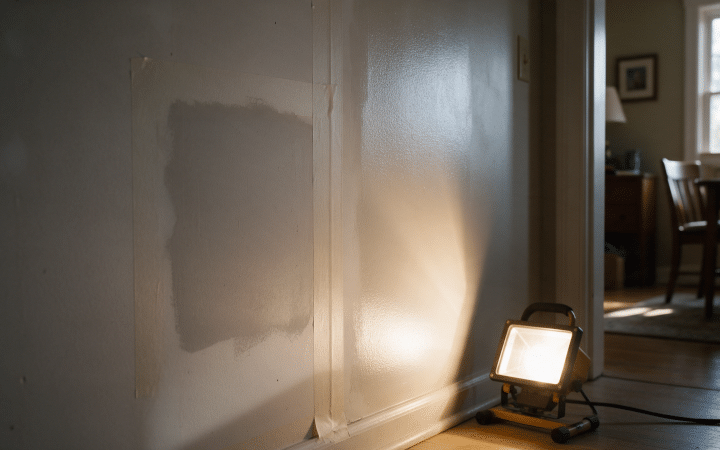
Primer that looks patchy or half see-through over a repair isn’t automatically a bad job. Here’s what even coverage actually looks like, why primer flashes over…
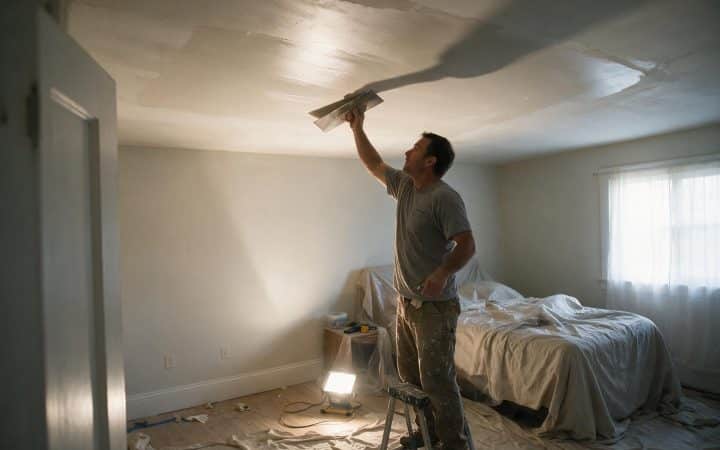
A wall skim coat and a ceiling skim coat use the same mud and different rules. Here’s why gravity, arm fatigue, and a short working window…
Setting type joint compound doesn’t dry, it sets, on a clock instead of a calendar. Here’s the mixing ratio, the working-time math nobody puts on the…
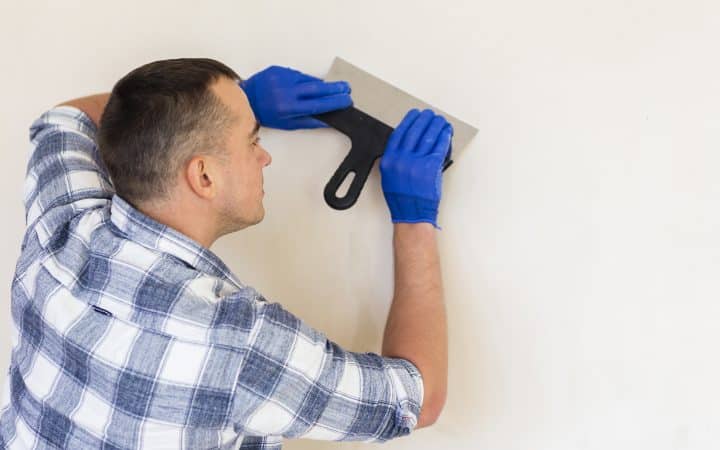
Joint compound or spackle isn’t really a two-way choice — there’s a third tub on my truck most guides never mention. Here’s which material actually belongs…
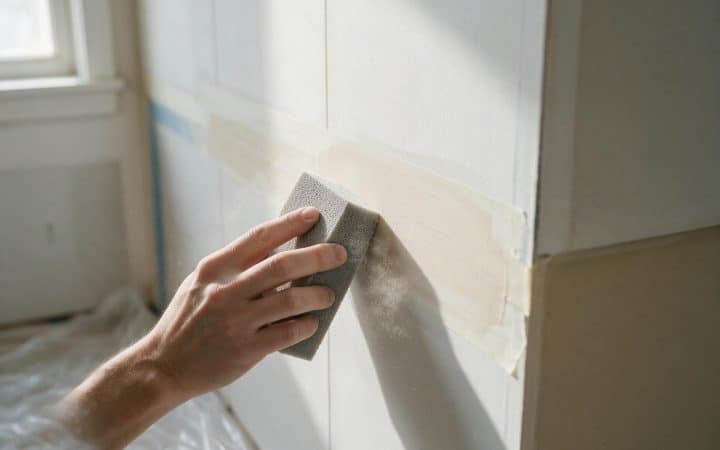
Drywall sanding grit is not one number, it changes by stage, from the first pass on fresh compound to the final kiss before primer. Here is…
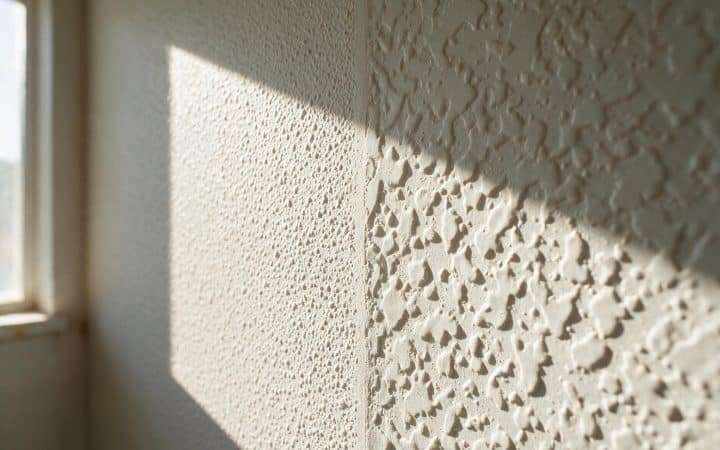
Every drywall texture is a fingerprint of a tool, a decade and a finish level. Here is how to identify what is on your wall, what…
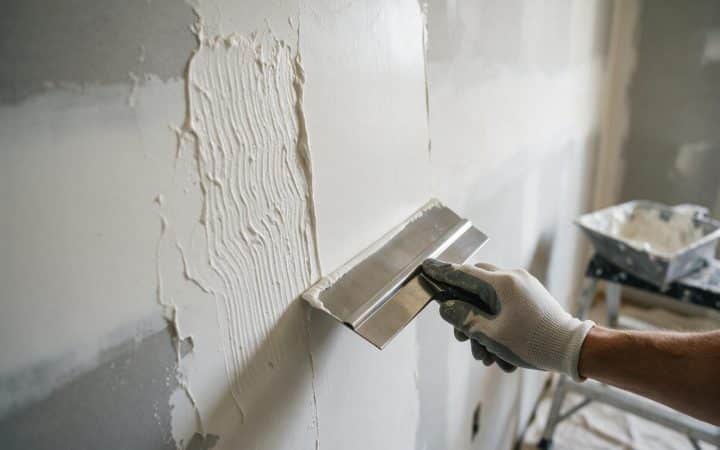
Skim coating is not one job, it is six. Here is the GA-214 level scale finishers work to, which mud to buy, how many coats a…
Related silos
Holes from doorknobs to studs, corner bead, cracks that keep coming back, and nail pops.
Water stains that bleed through paint, popcorn removal, sagging panels, and hairline seams.
Black spots, condensation on cold walls, and the point where you stop and call someone.