
I am 51. I have been a building contractor since I was 22, which puts me at 29 years of walls, ceilings, arguments about who cracked what, and repairs that had to be redone because somebody skipped a step.
That was not the plan. I trained as an engineer in industrial engineering and maintenance. Maintenance is a useful thing to study before you touch a building: it teaches you to look for the cause instead of the symptom. My father was a building contractor. When he retired, somebody had to take the company, and that somebody was me. I have never really gone back.
What I actually do now
I have four sons. Somewhere between the second and the fourth, I stopped spending my days on scaffolding. These days I run the business from a desk: estimates, quotes, drawings, and site supervision. I still see the jobs. I just see them through the file, the photos the foreman sends me, and the conversation where the client explains that the stain came back.
Estimating turns out to be a strange kind of education. When you have priced a few thousand square metres of patching and finishing, you stop guessing what a job costs and start knowing. You also learn which repairs come back. That is the part I wanted to write down.
Why this site exists
Most wall and ceiling advice online skips the diagnosis. It shows you how to fill a hole and says nothing about why the hole appeared, or why the patch will be visible under a lamp in six weeks. The people who ask me questions are almost never asking about the filler. They are asking whether the crack means something.
So Wall Fix Guide is organised the way I would answer a client: find the cause, fix the cause, then repair the surface, and be honest about what the finish will look like when the light hits it.
How I write these articles
- Methods come from my own work and from my crews. If I have not done it or supervised it, I say so.
- Anything with a number behind it gets checked against the published standard. For drywall finish levels that means the Gypsum Association GA-214 document, not somebody’s blog post about it.
- Prices are ranges, not promises. Labour rates move, gypsum board moves with them, and your region is not my region.
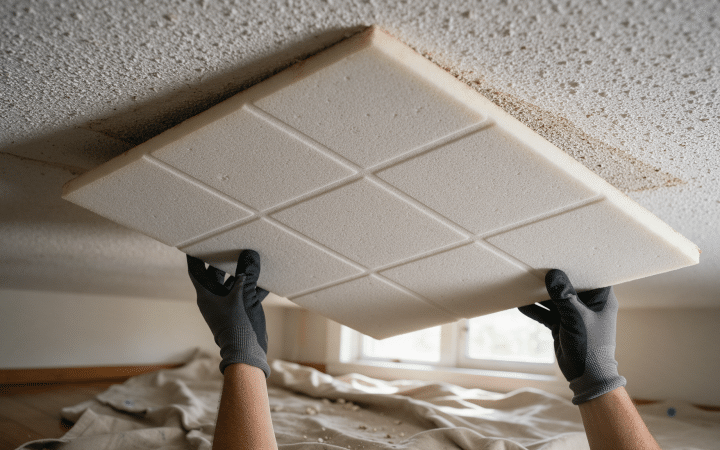
- When a job should not be a DIY job, the article says so and explains what makes it different. Asbestos in old textured ceilings and mould past a small patch are the two obvious ones.
- I correct things. If I get something wrong and you tell me, the article gets edited rather than quietly buried.
What I am not
I am not a licensed asbestos abatement contractor, a certified mould remediator, or a structural engineer. I read the reports, I hire those people, and I know when a job crosses into their territory. Where an article touches that line, it tells you to call someone with the certificate.
Nothing here replaces an inspection. A photograph of a ceiling stain tells you a lot less than a moisture meter in the same room.
Get in touch
If you have a wall doing something strange, write to me through the contact page. I read everything. I answer what I can, and the good questions usually turn into articles.